Written by : Rob Hill
If you are shopping for a right hand drive American pickup truck in Australia, you will hear a lot of big claims about warranty. Some are solid. Some are vague. Some look great until you need a repair, a part, or a clear answer about who is responsible.
This is a buyer’s guide, written from the point of view of how these trucks are built, converted, supported and repaired in the real world. It is not about hype. It is about accountability, support depth, and what is stated in writing.
Prepared for publication: December 2025. This guide is general information, not legal advice. Always confirm warranty terms in writing before you place a deposit.

Executive summary
- US factory warranties do not apply once a truck is exported and converted to right hand drive. Your real warranty is the one provided in Australia.
- The highest-risk buying model is a three-party chain: retailer sources the vehicle offshore, a third-party converter performs the conversion, then the retailer sells the vehicle. It is easy for responsibility to become blurred.
- A long warranty term is not enough. Look at kilometre limits, funding model (insurance-backed vs self-funded), and the service pathway in Australia.
- If a key detail is not clearly stated in a warranty document, treat it as a risk flag and ask for it in writing before paying a deposit.
- Conversion is major engineering. Support depth matters: engineering, quality control, parts supply, warehousing, and the ability to remanufacture conversion components.
What counts as a strong warranty on an imported US truck
A strong warranty is not just a headline number. For an imported American truck, the warranty needs to be backed by real support in Australia, clear responsibility for the right hand drive conversion, and a parts supply chain that can keep you on the road.
- Warranty term that matches the way Australians actually use trucks (towing, touring, work, long distances). Major issues in an American truck can often range between $20,000 to $40,000 (or higher for a full engine swap out)
- Kilometre limit you can live with, or unlimited kilometers. Clearly unlimited it the best.
- Clear responsibility for conversion-related items (dashboard, wiring, safety systems, controls, cameras).
- Roadside assistance that reflects the reality of regional Australia.
- A genuine service pathway: authorised experts, parts availability, and the ability to remanufacture conversion components when required.

What counts as a strong warranty on an imported US truck
A strong warranty is not just a headline number. For an imported American truck, the warranty needs to be backed by real support in Australia, clear responsibility for the right hand drive conversion, and a parts supply chain that can keep you on the road.
- Warranty term that matches the way Australians actually use trucks (towing, touring, work, long distances).
- Kilometre limit you can live with, or ideally unlimited kilometers.
- Clear responsibility for conversion-related items (dashboard, wiring, safety systems, controls, cameras).
- Roadside assistance that reflects the reality of regional Australia.
- A genuine service pathway: authorised experts, parts availability, and the ability to remanufacture conversion components when required.
The first reality check US factory warranty usually does not apply in Australia
All American pickup trucks sold into Australia start life as left hand drive vehicles built for North America. Once exported and converted to right hand drive, they are outside the normal US dealer network and factory warranty process. That means the real warranty is the one provided by the Australian seller and the conversion provider.
The Buyer Benchmark method and the meaning of “Not stated (public)”
This benchmark scores what a buyer can actually find in writing from publicly available sources, typically a warranty page or formal warranty document. If a promise is not clearly stated, it should not be treated as a reliable part of the offer.
How “Not stated (public)” is handled:
- If a key item is not clearly stated on a warranty page or document, it is recorded as Not stated (public).
- Not stated (public) is not an accusation. It simply means a buyer cannot bank on it without written confirmation.
- If you are comparing offers, treat Not stated (public) as a risk flag and ask the provider to confirm the detail in writing.
Warranty Strength and Support Score (WSSS) is a practical score out of 100 based on seven buyer-critical categories. It is designed to be simple and repeatable.
WSSS scoring categories
- Warranty length (years): 0 to 20 points
- Warranty kilometre limit: 0 to 20 points
- Roadside assistance: 0 to 15 points
- Warranty funding model and transparency (insurance-backed vs self-funded vs not stated): 0 to 15 points
- Conversion accountability (in-house vs outsourced, and whether the conversion partner is named): 0 to 15 points
- ISO / audited quality system for conversion operations (publicly stated): 0 to 10 points
- Team size / scale (publicly stated): 0 to 5 points
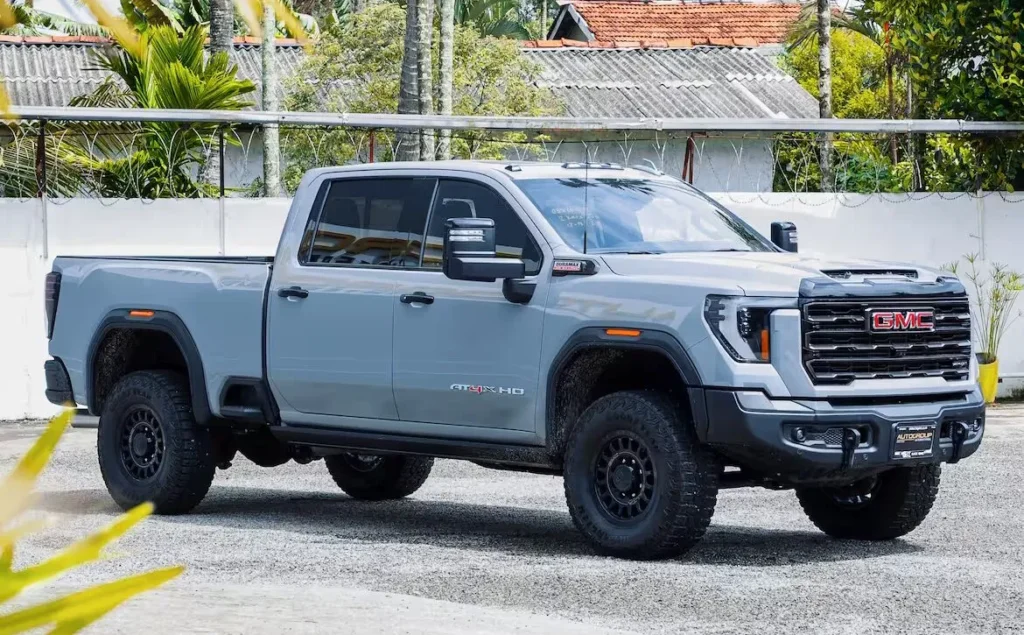
Benchmark results snapshot (publicly stated commitments)
Use this table to identify which offers are clear, which are vague, and where you need to ask harder questions.
Provider | Warranty (years) | Warranty limit | Roadside assistance | Funding model (public) | Conversion model (public) | WSSS score / 100 |
Autogroup International (AGI) | 5 | Unlimited | Yes, 5 years (24/7) | Insurance-backed (underwritten) | In-house conversion | 100 |
Performax International | 3 (optional 5) | Unlimited | Yes (24/7) | Administered | In-house conversion | 70 |
Maracoonda Automotive | 3 | 90,000 km | Yes, 2 years | Not stated (public) | In-house conversion | 55 |
Harrison F-Trucks | Not stated (public) | 130,000 km | Yes, 3 years | Self-funded | Outsourced (partner named) | 40 |
Vehicle Development Corporation (VDC) | Not stated (public) | 100,000 km | No | Not stated (public) | In-house conversion | 35 |
Crossover Car Conversions | Not stated (public) | Not stated (public) | No | Self-funded | In-house conversion | 23 |
American Motors (Adelaide) | Not stated (public) | 100,000 km | No | Not stated (public) | Outsourced (partner named) | 18 |
American Performance | Not stated (public) | 100,000 km | No | Not stated (public) | Outsourced (partner named) | 18 |
American Trucks Australia | Not stated (public) | 100,000 km | No | Not stated (public) | Outsourced (partner named) | 18 |
SCD Direct | Not stated (public) | Not stated (public) | No | Not stated (public) | In-house conversion | 15 |
F Trucks WA | Not stated (public) | Not stated (public) | No | Not stated (public) | Outsourced (partner named) | 6 |
Note: “optional” warranties are shown for context, but the score is based on what is stated as standard.
ISO and team scale signals
Warranty outcomes are influenced by process control, parts manufacturing capability, and the depth of the support team. This is applicable both when the truck is brand new and equally as important in 3,4 or 5 years time when you may need a new conversion component due to a breakdown.
Provider | ISO / audited quality (public) | Employees (public) |
Autogroup International (AGI) | ISO 9001:2015 (Bureau Veritas) | ~250 |
Performax International | Not stated (public) | 40-60 |
Maracoonda Automotive | ISO 9001:2015 referenced (expired) | Not stated (public) |
Harrison F-Trucks | Not stated (public) | Not stated (public) |
Vehicle Development Corporation (VDC) | ISO 9001:2015 (audited by BSI, details not public) | Not stated (public) |
Crossover Car Conversions | ISO 9001:2000 referenced (outdated) | Not stated (public) |
American Motors (Adelaide) | Not stated (public) | Not stated (public) |
American Performance | Not stated (public) | Not stated (public) |
American Trucks Australia | Not stated (public) | Not stated (public) |
SCD Direct | Not stated (public) | Not stated (public) |
F Trucks WA | Not stated (public) | Not stated (public) |
The 10 red flags that should slow you down
- The warranty page has a headline number but no kilometre limit, exclusions, or claims process.
- Conversion responsibility is vague, especially around electronics, safety systems, dashboards and controls.
- A retailer says “another company does our conversions” but cannot map responsibility clearly in writing.
- No clear service pathway in your state, or service is described as “call us and we will see”.
- A self-funded warranty with no transparency on how claims are funded.
- No clear parts plan, no warehousing detail, and no ability to remanufacture conversion parts.
- Brand name and legal entity are unclear or hard to find. And the actual company formation date and actual owners are not clear.
- No motor vehicle trader licence details shown where applicable, or reluctance to provide them.
- Constant rebranding, multiple business names, or unclear continuity of support.
- Accessory fitment is offered with no clear compliance and warranty pathway.
The hidden risk most buyers miss: the accountability triangle
- If you are unhappy with conversion fit and finish (dashboard, upholstery, switch panels, trim alignment), is the retailer responsible, or the converter?
- If a conversion-specific part fails later (wiper system changes, wiring loom modifications, camera integration, seat controls), who pays for diagnosis and replacement?
- Who takes responsibility for the pickup truck warranty itself? Major repairs can often range between $20,000 to $40,000 and even higher!
- If the retailer stops selling trucks, changes direction, or closes, does the conversion warranty still have a viable back-end? And who will provide the warranty on the pickup truck itself?
- If the retailer and converter fall out commercially, does the converter still support your vehicle and remanufacture the specific part you need?
Accessories and compliance where small mistakes become big problems
Accessory fitment can introduce electrical faults, sensor issues, camera problems, towing system conflicts, and disputes about warranty coverage. This matters most when the fitter is not the conversion engineer, and when the warranty terms are vague.
Questions to ask before accessories are fitted:
- Who approves accessory fitment on the converted platform, and who carries the warranty risk if a fault appears later?
- Does accessory fitment affect airbags, sensors, camera calibration, towing electronics, or compliance documentation?
- If an accessory causes a fault, do you have one accountable party who can diagnose and resolve it, or will you be bounced between businesses?
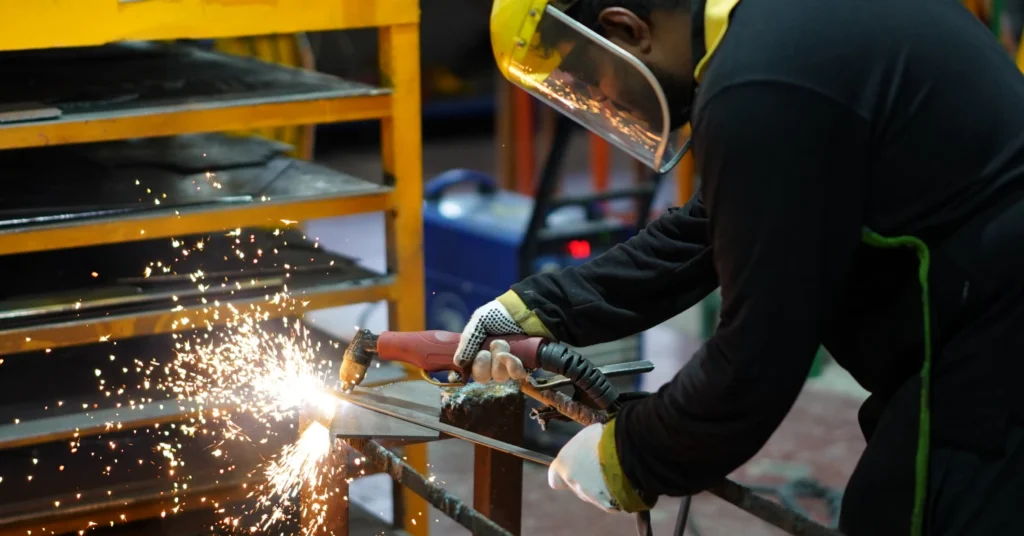
Scale and capability why the remanufacturer behind the warranty matters
A right hand drive conversion is not a cosmetic change. It is major re-engineering. You want the most capable team, the best process control, and a clear path to aftercare, especially when a truck is A$200,000-plus and carries your family or tows your boat.
- Depth of engineering: mechanical, electrical and plastics design, plus validation and documentation.
- Manufacturing capability: the ability to remanufacture conversion parts with systems such as ISO 9001:2015 Quality Control backed Conformity of Production processes to ensure parts can be manufactured.
- Quality assurance: audited processes and repeatable build standards, not one-off workmanship. Simply ask to see their Quality Manual!
- Support depth: procurement, logistics, service coordination and parts warehousing, not a single person trying to do everything.
Company age and transparency: the 30-minute background check
- Identify the legal entity: confirm the business name, ABN, and who is issuing the warranty.
- Check how long the legal entity has existed (ASIC or ABN lookup is a good start).
- Look for a motor vehicle trader licence number where applicable, and ask for it if it is not shown.
- Check whether the brand name and the legal entity match. If they do not, ask for clarification in writing.
- Look for evidence of continuity: the same entity supporting vehicles over time, not constant renaming or restructuring.
- Check the establishment date on Facebook (About Us & Transparency) as this can provide valuable insight

Buyer questions to ask before paying a deposit
Use these questions to force clarity, in writing.
- Who provides the warranty in Australia, and what is the exact legal entity name on the warranty document?
- Who is responsible for right hand drive conversion components and workmanship, specifically?
- If a conversion-specific part is required, can the converter remanufacture it, and do they keep stock in Australia? Do they have ISO 9001:2015 Quality Control backed Conformity of Production processes to ensure parts can be remanufactured.
- What is the claims process, and who pays for diagnostics if the issue is found to be outside cover?
- What authorised service pathway exists in my state, and who coordinates the repair?
- If the retailer and converter are different businesses, what happens if their relationship changes?
- Is the warranty insurance-backed? If yes, who underwrites it? Is it APRA regulated? If no, how is the warranty funded?
- Do you have a dedicated parts and procurement team, and where are parts warehoused?
- Who approves accessories and modifications, and how do you avoid warranty disputes created by accessory fitment?
Where Autogroup International sits in this benchmark
Autogroup International is 100% Australian owned and has around 250 employees globally, including a dedicated engineering team and an 8-person procurement and logistics team. We operate across Australia, Sri Lanka (manufacturing headquarters), the US, Canada and the United Kingdom, with spare parts warehousing in three countries.
In Australia, our support package is built around five things: a 5-year unlimited kilometre full-vehicle warranty, 5 years of 24/7 roadside assistance, a 40,000 km service parts pack, authorised service centres across Australia, and the ability to remanufacture conversion components as needed.
International note: warranty terms vary by market. The same buyer logic still applies. Follow the accountability chain, confirm parts support, and insist on clear written terms.
Buyers Takeaway
When buying a right-hand drive American pickup truck in Australia, the most critical factor is warranty and support, not towing capacity or trim. US factory warranties do not apply once vehicles are exported and converted, so buyers must focus on the Australian supplier’s coverage, accountability, and parts support. The highest-risk model is a three-party chain where the retailer sources the truck, a converter performs the right-hand drive conversion, and the retailer sells it—responsibility can easily become unclear. A strong warranty goes beyond headline years: it should include unlimited or suitable kilometre limits, clear responsibility for conversion components, 24/7 roadside assistance suited for regional conditions, accessible authorised service pathways, and the ability to remanufacture parts. Buyers should verify in writing who provides the warranty, how claims are processed, where parts are stocked, and whether the warranty is insurance-backed and APRA regulated. Autogroup International, for example, offers a five-year unlimited-kilometre APRA-insured warranty, 24/7 roadside assistance, service flexibility, and the capacity to remanufacture conversion components, demonstrating why accountability, depth of support, and verified processes are the real benchmarks for safe ownership.
FAQs
No. Once a US-built truck is exported and converted to right hand drive, the meaningful warranty is the one provided in Australia by the seller and the conversion provider. Always confirm the warranty issuer in writing.
The risk is split responsibility. If one business sources and sells the truck and a different business performs the conversion, problems can turn into finger-pointing unless responsibility is clear and written. However this often highlights the risk of ‘buy from us as we are local’ as the converter can be in another state and thousands of kilometers away.
It means the warranty is underwritten by an insurer (APRA regulated) rather than relying only on the cash flow of the seller. Ask who underwrites it, what is excluded, and what the claims process looks like. A self-insured warranty is similar to self-insuring your home, contents, car and health insurance – which very few people would ever consider.
Because a buyer cannot rely on a promise that is not clearly stated. If it is not written on a warranty page or document, ask for it in writing before you pay a deposit.
No. Look at kilometre limits, exclusions, who funds it, and whether conversion items are clearly covered. Two warranties with the same headline term can behave very differently when you need a repair.
That should be explicitly stated. If it is not, ask the seller to specify what is covered for conversion components, workmanship and integration of electronics and safety systems.
Slow down and ask for clarity. Who is responsible for conversion warranty, who supplies parts, who authorises repairs, and what happens if the retailer and converter stop working together.
Yes. Accessories can introduce faults or create disputes about cause. The safest path is a single accountable organisation that understands the vehicle, the conversion and compliance requirements.
Start with an ABN or ASIC search for the legal entity issuing the warranty. Also check the business’s long-term footprint, service history, and whether they can point to vehicles they have supported for years.
Because warranty is delivery, not marketing. A specialised team (engineering, procurement, logistics, quality, parts) makes it more likely you will get fast answers, parts and repairs when you need them. Additional the size and number of spare parts warehouses is very relevant.
Not always, but it changes the risk. With a self-funded warranty you are relying on the business’s ongoing viability. Ask how claims are funded and what happens if the business changes structure or direction. A self-insured warranty is similar to self-insuring your home, contents, car and health insurance – something most Australia’s would never do.
Ask who issues the warranty, who covers conversion components, where parts are stocked, what service network exists in your state, and how claims are handled. Get it in writing.
No. It is a snapshot based on publicly available information at the time of writing. If a provider updates their published terms, the benchmark should be updated.
Review the warranty information on our website and ask our team to walk you through the terms and the claims pathway in plain English.